INSIGHTS
How to Plan a Corporate Incentive Trip to Scotland
A practical, B2B-first planning guide for agencies and corporate planners: destinations, timings, venues, and the logistics that make programmes run smoothly.
Summary
A great Scotland incentive programme is not about cramming in highlights. It's about choosing the right anchors, building contrast, and protecting the guest experience with realistic timings.
This guide is written for agencies and corporate planners who need a programme that sells well on paper and runs well on the ground — from 15 to 2,000 guests.
If you're early-stage, don't worry — partial information is fine. The goal is to get to a clear first response and a clean plan fast.
1) Start with the brief (not the wish list)
Before you choose venues or experiences, define the programme constraints. Scotland rewards good routing — and punishes vague assumptions.
For corporate incentive travel, the essentials are: dates or date windows, group size, arrival point, departure point, and the one thing the client must feel (reward, exclusivity, energy, connection, etc.).
- Decision timeline: when does the client need to sign off?
- Group profile: seniority, mobility, appetite for activity, VIPs
- Non-negotiables: whisky, golf, castle dinner, Highlands day, etc.
- Operational realities: flight banks, coach hours, access restrictions
2) Choose 1–2 anchors, then build contrast
The strongest Scotland incentive itineraries typically have one or two anchors — places that define the story. Then you add contrast days that feel different without creating long transfers.
Common anchors: Edinburgh (heritage + walkable), Glasgow (conference scale + creative energy), the Highlands (landscape + drama), Speyside (whisky immersion), St Andrews (golf-led).
Contrast is what makes the programme feel premium: city → landscape, heritage → contemporary, high-energy → calm.
- Edinburgh + Highlands day (classic, high-impact)
- Glasgow + Loch Lomond contrast day (short transfer, big scenery)
- Aberdeen + Speyside (east-coast whisky routing)
- Edinburgh + St Andrews (capital + coast + golf)
3) Timing, seasonality and lead times
Scotland is a year-round destination, but the planning approach changes by season. The biggest mistakes we see are underestimating lead times for premium venues and overestimating what can be done in short daylight windows.
Spring (Apr–Jun) and early autumn (Sep–Oct) are the sweet spot for incentives: good daylight, strong availability, and better value than peak summer.
August (Edinburgh Festival) is vibrant but requires early booking and careful hotel strategy. Winter is atmospheric and can be exceptional for whisky-led or city-based programmes, but outdoor contingency matters.
4) Logistics that protect the guest experience
Most programmes don't fail because the ideas are bad. They fail because the day is too tight: long transfers, late meals, rushed arrivals, or poor staging.
Build the schedule around comfort: realistic transfer times, proper comfort stops, and a pace that lets guests enjoy the setting.
For larger groups, wave planning is everything — staggered departures, parallel activities, and clear movement plans keep the experience feeling personal.
- Edinburgh Old Town access restrictions (coach staging matters)
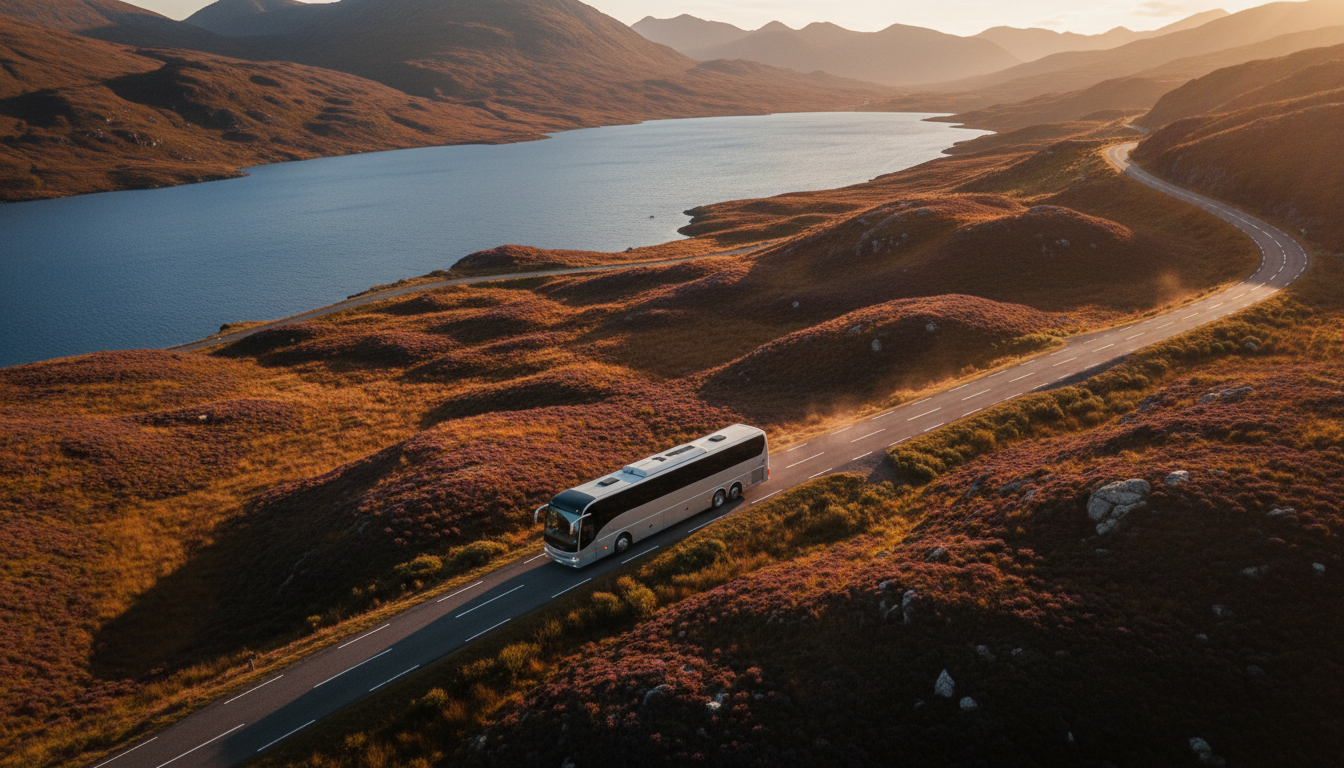
- Highlands routes need weather-aware contingency
- Distillery capacity is limited — plan waves for 60+ guests
- Always protect the gala dinner — don't schedule risk before it
5) Budget guidance that avoids surprises
Budget clarity is not about forcing a number early. It's about aligning expectations: hotel level, exclusivity, private access, and transport standard.
In Scotland, the biggest budget swing factors are: accommodation category and availability, exclusive-use venues, transport complexity, and premium access (castles, distilleries, private dining).
6) What to send your Scotland DMC
If you want a fast, useful first response, send a brief that lets the DMC make decisions. You don't need everything — but you do need the essentials.
- Dates / windows + flexibility
- Group size + profile (VIPs, mobility, energy level)
- Arrival / departure points (airports) and any routing preferences
- Programme type (incentive, meeting, golf, whisky-led, VIP)
- Decision timeline + any internal deadlines
Key takeaways
- Pick 1–2 anchors, then build contrast — don't over-route.
- Protect the guest experience with realistic timings and comfort stops.
- Plan waves for larger groups to keep experiences premium.
- Send the essentials early — partial info is fine if it's the right info.
FAQs
How quickly can a Scotland DMC respond to an incentive brief?+
A good DMC should respond quickly with next steps and smart questions. We commit to a first response within 24 hours — including a clear plan for proposal timing.
What's the ideal group size for a Scotland incentive trip?+
Scotland works well for a wide range. Most incentive programmes sit in the 50–500 range, but we deliver from 15 to 2,000 guests with wave planning and the right venue strategy.
Is Edinburgh or Glasgow better for corporate incentives?+
Edinburgh is heritage-led and highly walkable; Glasgow has stronger conference infrastructure and often better hotel availability for large groups. The best answer depends on your group size, dates and the tone you want.
Can we include both whisky and golf in one itinerary?+
Yes — the key is routing. We typically recommend anchoring around one region (e.g., Edinburgh + St Andrews for golf, then add a Speyside chapter if timings allow) rather than trying to cover everything.
Next step
If you have dates and a rough routing idea, send the essentials and we'll respond within 24 hours with next steps.